With the promise of bringing more space and more diversity, the Museum of Modern Art in New York, Moma (Museum of Modern Art), after a renovation that took 4 months to complete, reopened on October 21. Before navigating the museum’s main galleries, here’s a behind-the-scenes look at the decision to make such a renovation.
Currently, the museum has added about 40,000 square feet, which comes from the acquisition and demolition of the American Folk Art Museum. This one today is located at 2 Lincoln Square in the Upper West Side neighborhood, about 12 blocks from Moma.
The expansion of Moma is an ambitious project, adding about 25% more space to the museum, which allows the visitor not to feel that it is constantly full. The company responsible for the project is Diller Scofifio + Renfro, who, among other projects, has developed The High Line, The Shed (cultural center in the Hudson Yards), both in New York, and the Museum of Image and Sound in Rio de Janeiro, among others.
As it has been highly publicized by the press, Moma has not only expanded the space but also its artistic focus. Therefore, terms such as “Dadaism”, “Cubism”, or even “German Expressionism” are outdated, although they still use the term “Surrealism.” The emphasis now will be on determining sociological, political and cultural aspects of a particular work, according to Glenn Lowry, director of the museum since 1995, in an interview with the Brazilian Newspaper O Estado de S. Paulo.
To demonstrate what he is talking about, let’s take as an example some of the exhibitions currently on display. Perhaps the most anticipated show by the South American audience is the exhibition Modern Sur – Journeys of Abstraction, a gift from Patricia Phelps de Cisnero, who is long time patron in the museum. This exhibition highlights artists from Brazil, Venezuela, Argentina and Uruguay. Some of the artists present at this exhibition are Gego, Hélio Oiticica, Jesús Rafael Soto and Rhod Rothfuss. This exhibition is characterized by the avant-garde aspect of the works, quite recurring from the period it portrays, mostly postwar. Most of the works in this exhibition are part of the museum’s collection.
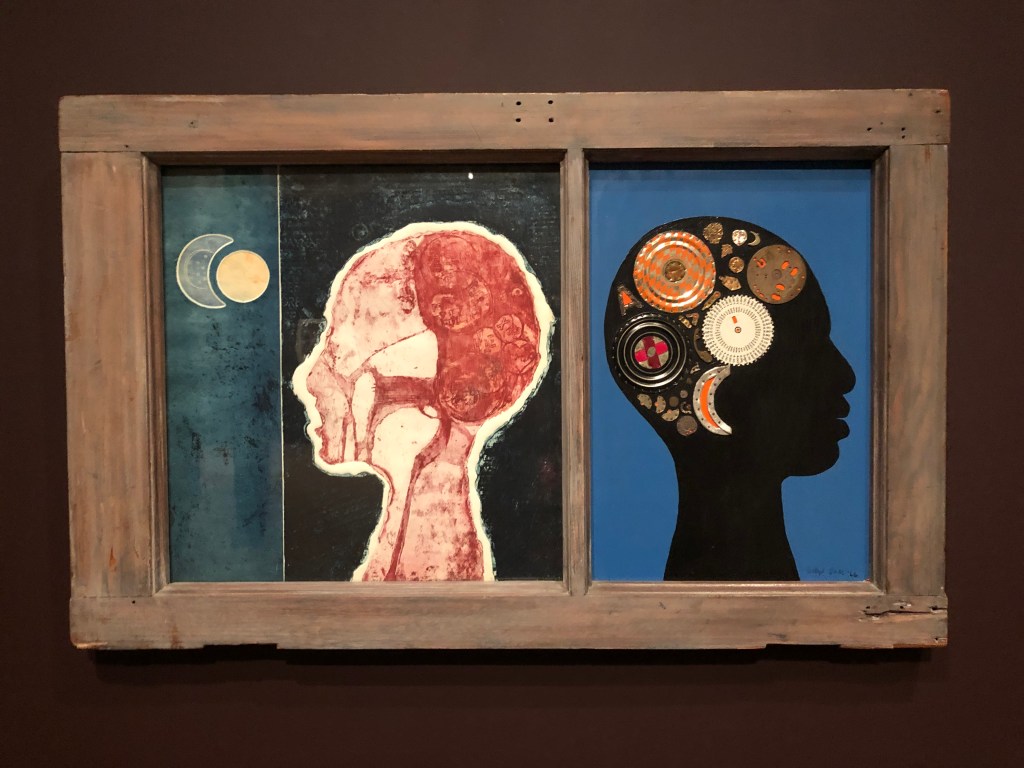
Another important exhibit is dedicated to artist Betye Saar. The 93-year-old artist is known for the technique of printmaking, which consists in creating a model and, from this model, developing works utilizing other mediums such as sculpture, painting and drawing. Saar explores both her African American experience as well as mythicism.
The last featured exhibition is from Pope.L, on the third floor. Originally from Newark, NJ, Pope L. exposes the African American experience adding a stunty tone to its portrayal, where he confronts the public on the streets of New York, denouncing the power of financial and political institutions in a scruffy manner. In the third-floor Steichen Galleries, there is a collection of videos showing such works.
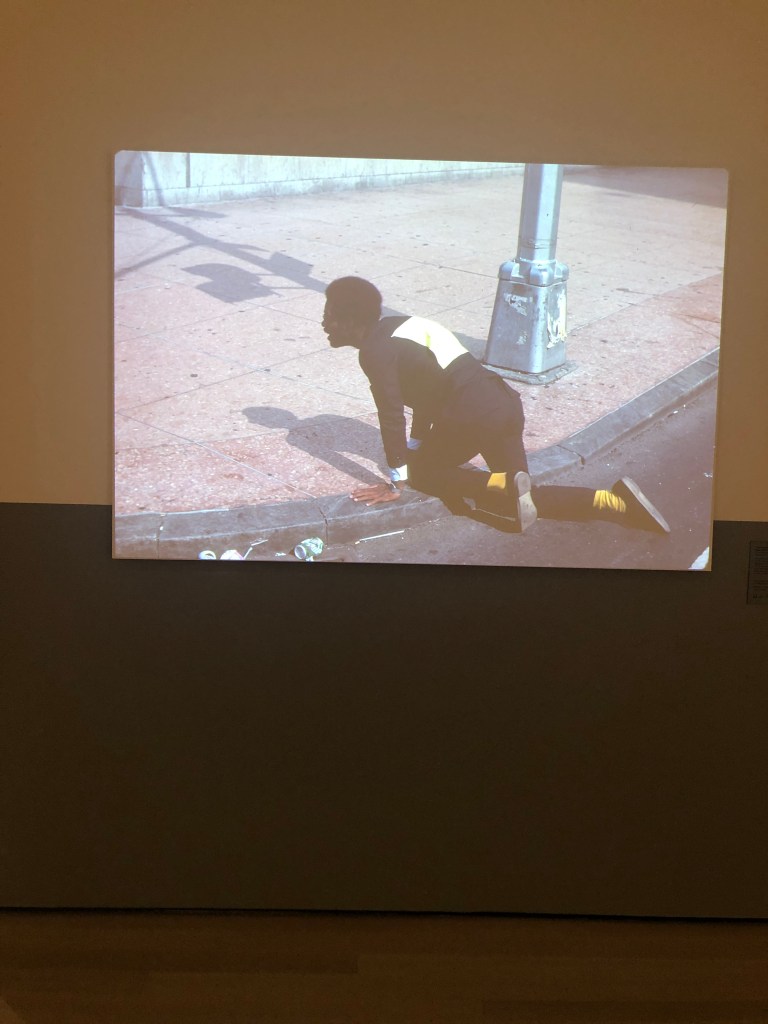
For example, in one of the videos, he appears tied with a string to the door of a bank, prompting customers to reflect on this act while trying to enter the bank premises. The artist makes random appearances at the museum in order to reproduce the stunts. A special touch to the exhibit is his backpack hanging on one of the installations as a signal of his presence in the premise.
Regarding the permanent collection, even tough the museum has vowed to highlight works of non male and white artists, the visitor be able to view crowd pleasing works. Having said that, the museum will proudly continue to display works such as Van Gogh’s Starry Night, Picasso’s Demoseilles d’Avignon, Andy Warhol’s Campell’s Soup Can, and the Persistence of Memory by Salvador Dalí as well as several other works present in the travel guides.
However, now the focus of the three most visited floors will be to categorize the works into themes in each of the galleries, in chronological order: The fifth floor exhibits works from 1880 to 1940. The fourth floor continues from 1940 to the 1970s. Finally, the second floor will exhibit works from the 1970s to the present.
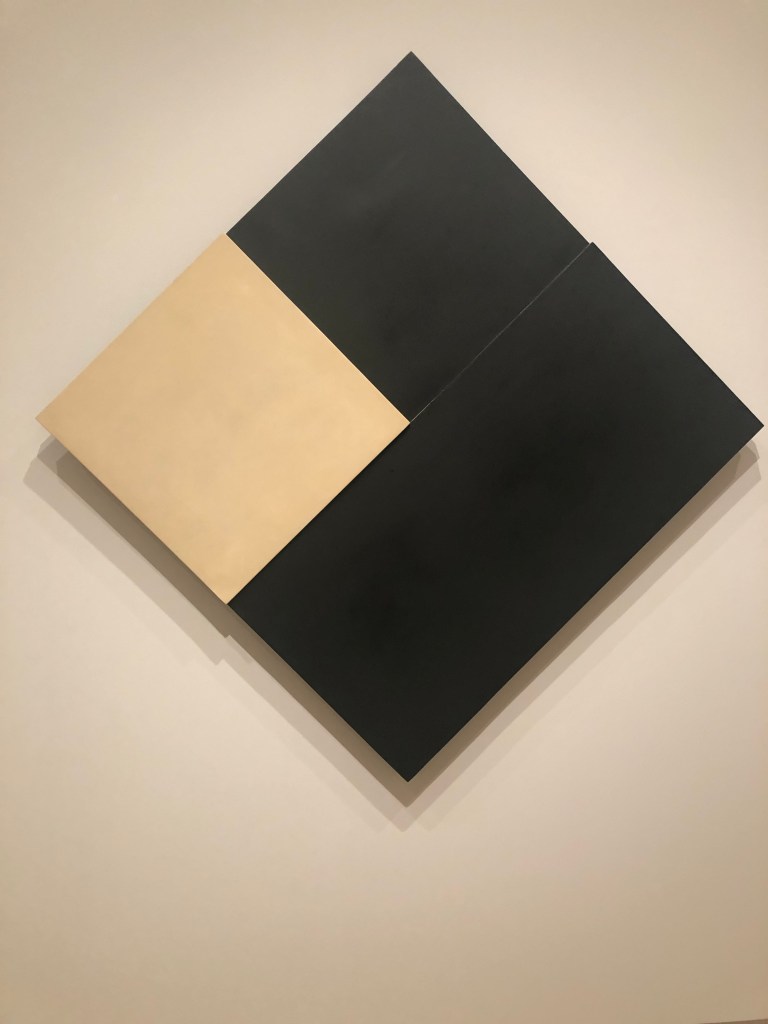
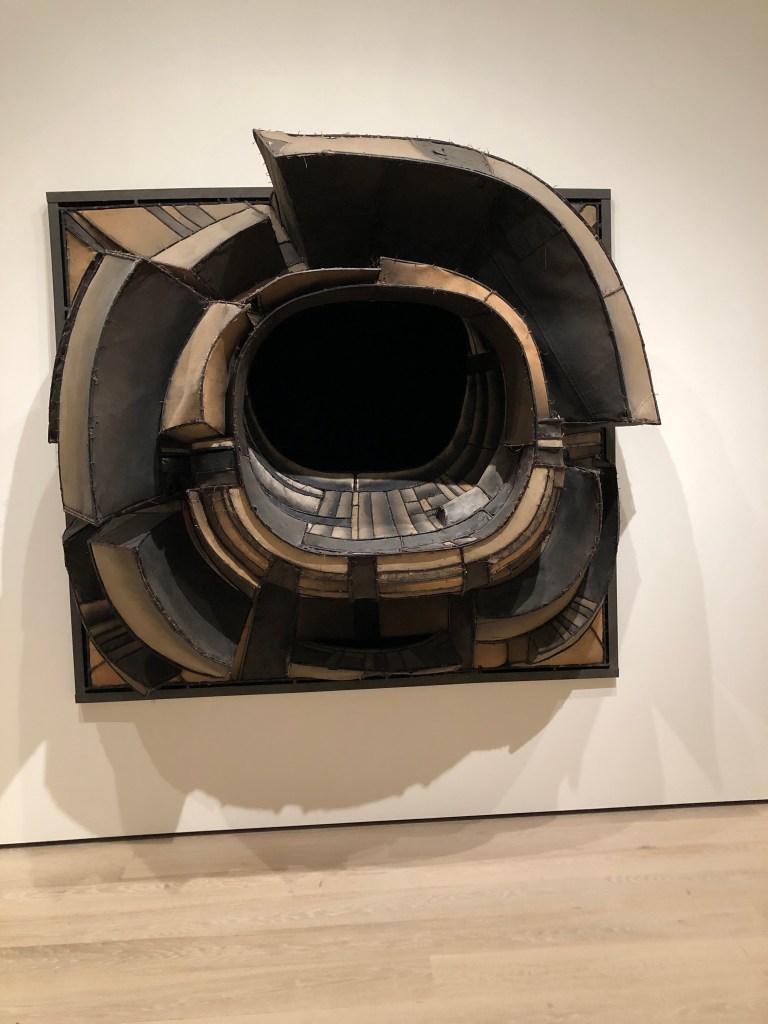
Artist Lee Bontecou is one of the featured artists. Her untitled sculpture on display on the fourth floor resembles a gas chamber. To compose the play, she used used parts from a washing machine she found on the streets near her East Village apartment that someone had thrown away. Bontecou is an artist who excelled in the postwar years in a field dominated by men.
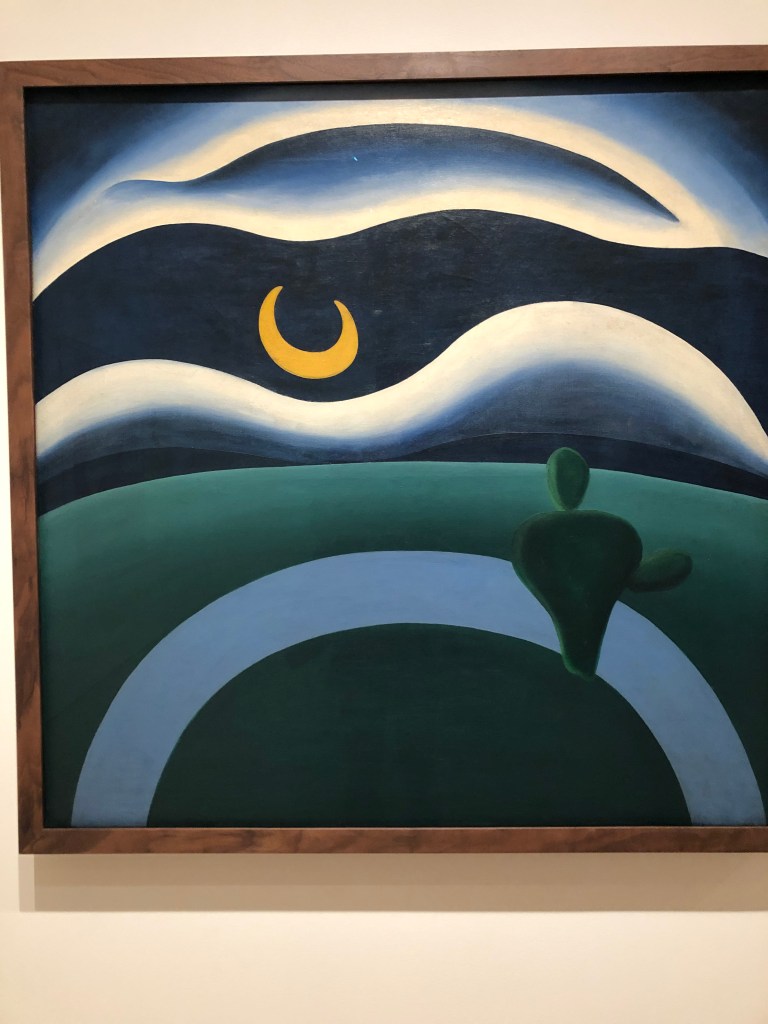
Obviously, we could not fail to mention our very own Tarsila do Amaral. Subject to a beautiful exhibition last year at the museum, we were very proud to see her painting The Moon, which was recently acquired by the museum, exhibited in the Paris 1920s gallery.
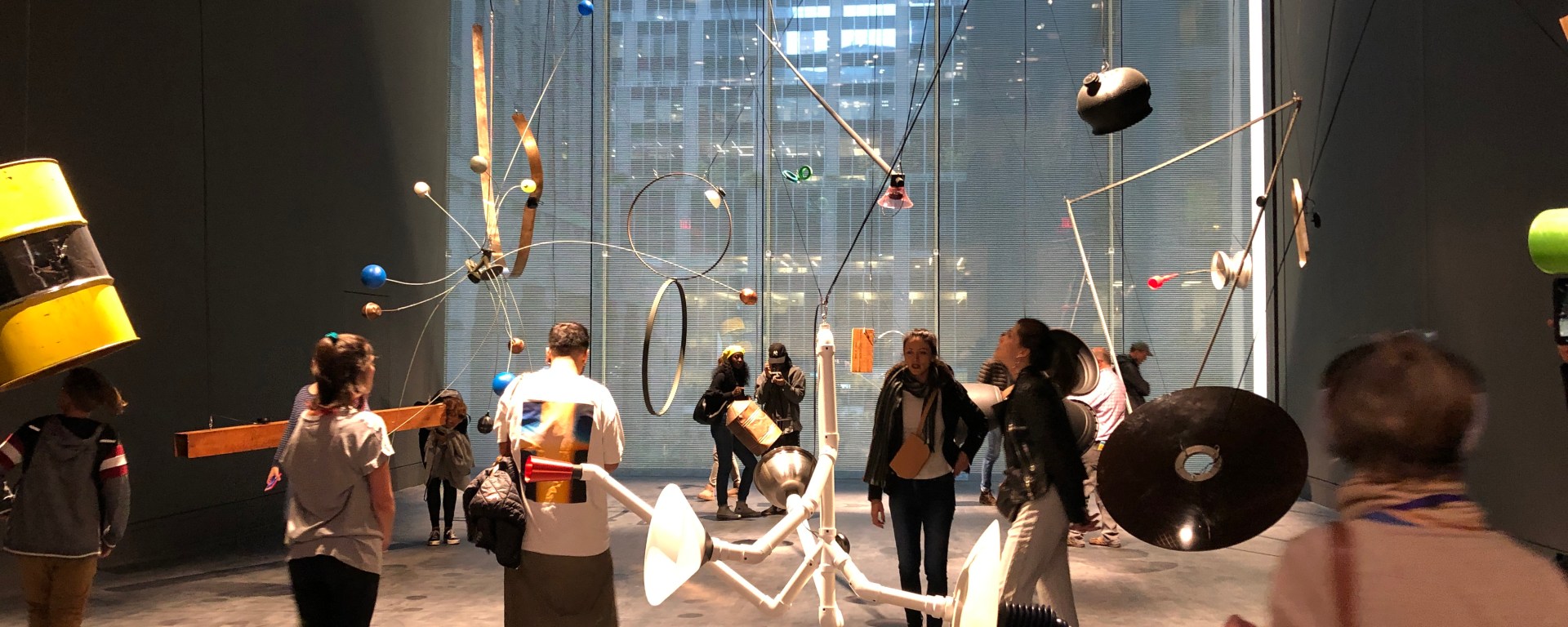
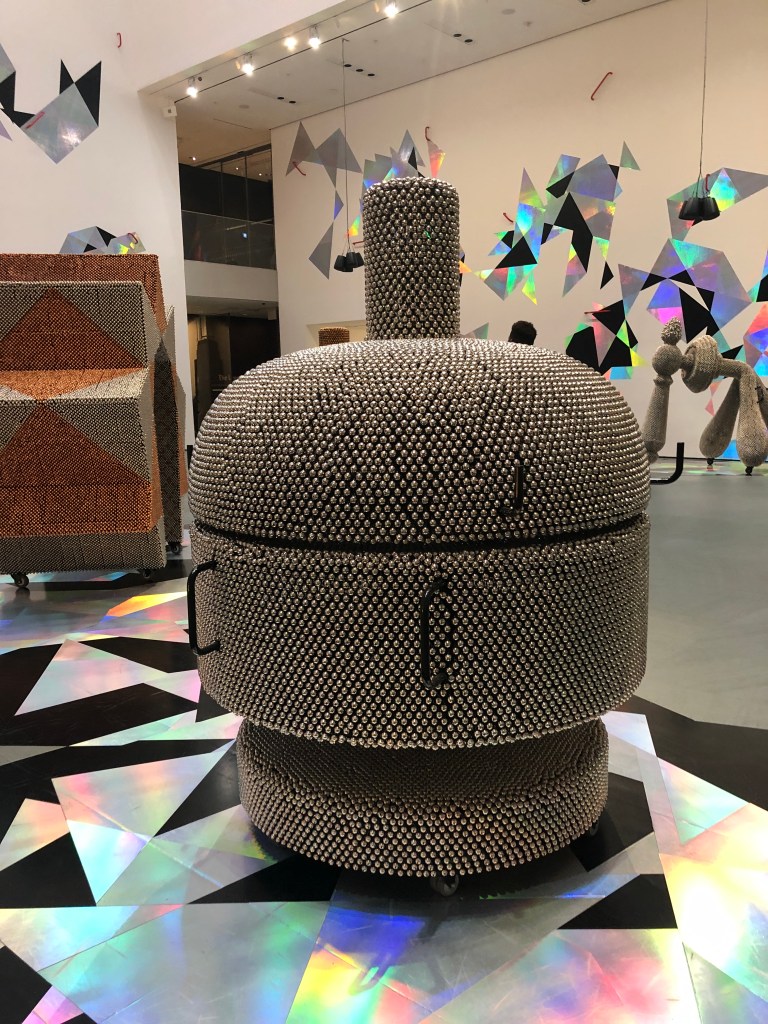
To end this journey at the new Moma, let’s mention some of the installations currently on display. On the second floor, we find Handles, by Korean artist Haegue Yang. It is a performance installation, which sculptures are moved from time to time, generating a rattling sound on account of the sculptures steel materials. During the performance, the soundtrack plays bird sounds. The recording was made during a political discussion between leaders of the two Koreas, which determines the political aspect of the work.
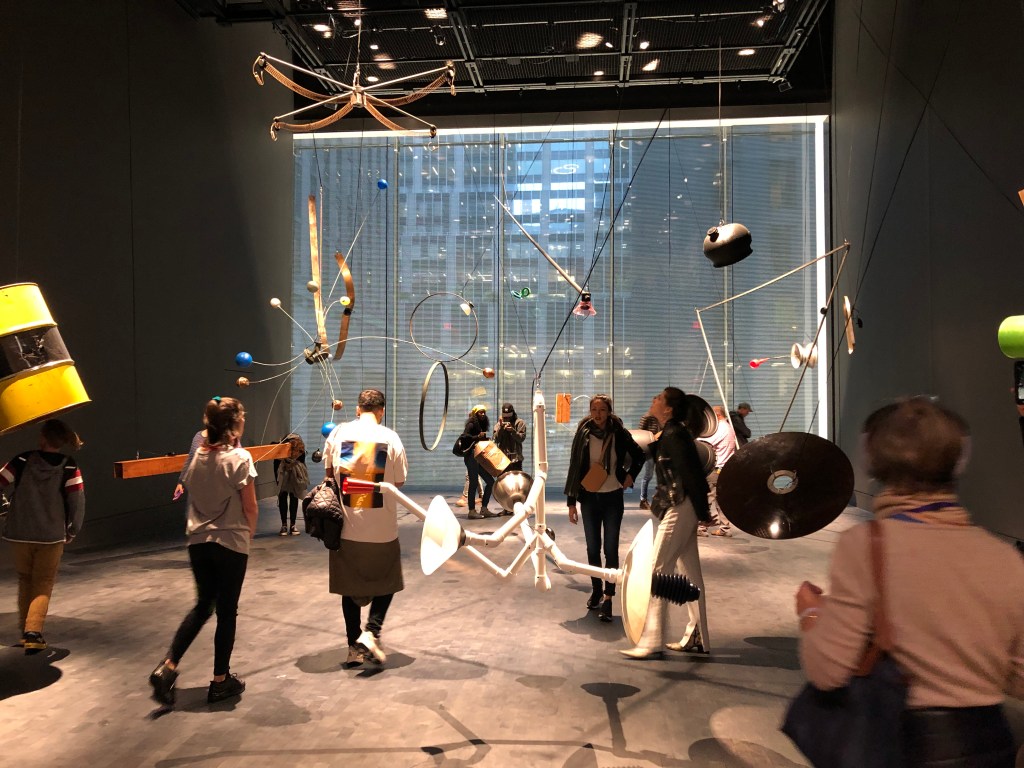
Also in the installation category, the most talked about of all is located on the fourth floor. This is Rainforest V. It is derived from 2 other installations that artist David Tudor has developed in the past. This work was developed by the company Composers Inside Electronics Inc. The museum has released a performance calendar, where visitors can witness the work in its fullest conception.
Finally, the reopening of the museum represents not only more space availability, but also an opportunity to introduce artists from diverse backgrounds. This is a trend that is becoming popular, as we noted in the 2019 edition of the Whitney Museum Biennial of Arts. This is perhaps due to a response to extreme right-wing political trends that try to suppress minority voices.
Just a reminder that Moma holds free admission hours every Friday, after 4:30pm. For more information on current exhibitions and upcoming programs, just visit the website: https://www.moma.org
 What's Up New York